
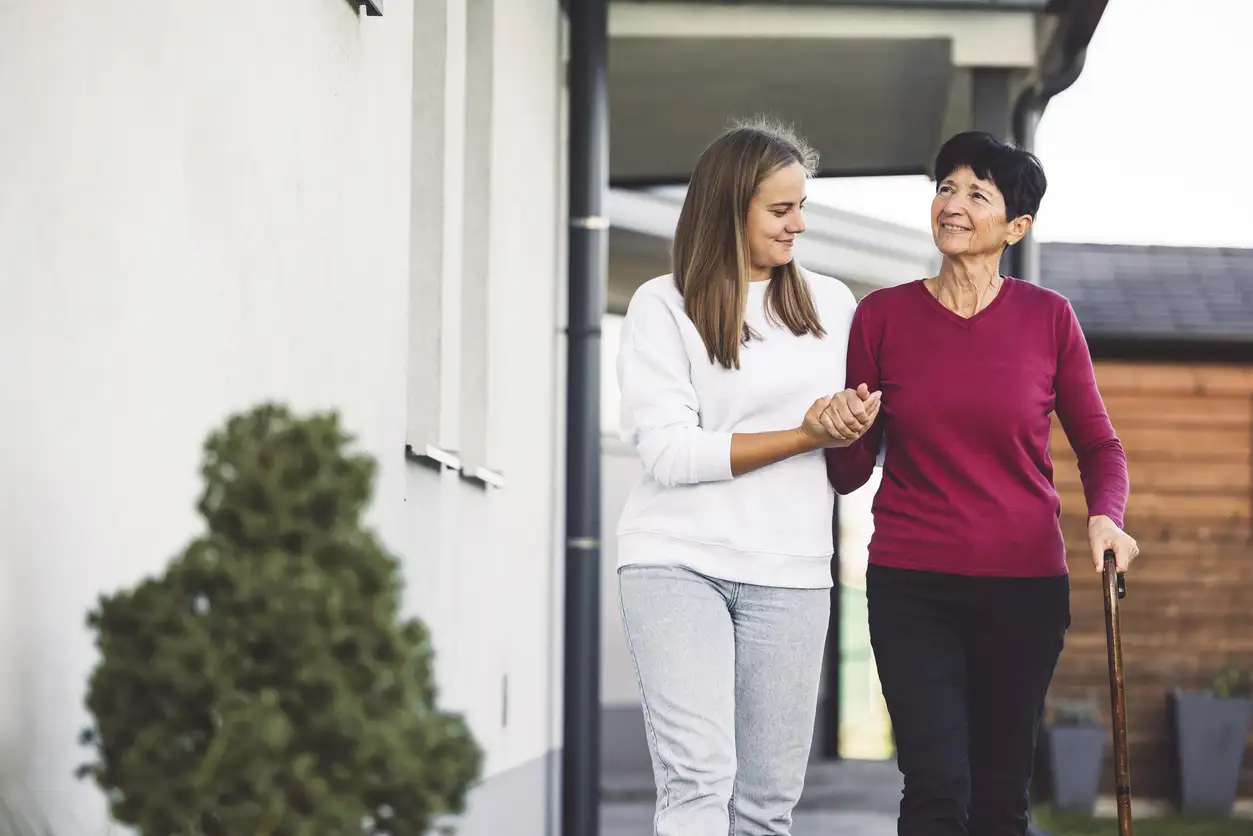
Every family should consider fall prevention as their loved ones age. Falls in older adults are common and serious. A single fall can cause broken bones, long hospital stays, and a hard-to-regain loss of confidence.
At Fields Senior Living of Weatherly Court in Medford, fall prevention is part of how we care for residents every day. It’s in the way we design our space, how we support movement, and the daily routines that help residents feel steady and safe.
If your loved one has had a recent fall—or if you’re starting to worry about balance or stability—this guide is a helpful place to start.
What Is Fall Prevention and Why Does It Matter?
Fall prevention means taking steps to reduce the chances of a fall before it happens. That includes changes in the home, regular health checks, and having caregivers nearby to help with movement or mobility tasks.
Falls are the leading cause of injury-related hospital visits for seniors. According to the CDC, 3 million older adults visit emergency departments each year because of falls. Many of these falls result in hip fractures, head injuries, and long recoveries.
More importantly, most of these falls are preventable.
What Are the 5 P’s of Falls Prevention?
Caregivers and nurses often use the 5 P’s of fall prevention to help keep seniors safe. These are:
- Pain – Is the person in discomfort that might make them move suddenly or unsafely?
- Positioning – Are they sitting or lying in a way that supports easy movement?
- Personal Needs – Do they need to use the restroom or have water nearby to avoid trying to get up without help?
- Placement – Are important items (like a phone or walker) within reach?
- Prevention – Are caregivers checking for any new risks in the environment?
These small checks make a big difference, especially in senior living or memory care.
Why Falls Happen More Often as We Age
There are many causes behind falls in older adults, and often more than one at the same time. Some of the most common include:
- Muscle loss: With age, people naturally lose strength and flexibility.
- Balance problems: This may be caused by medical conditions, inactivity, or nerve issues.
- Poor vision: Low contrast, depth perception changes, and cataracts make obstacles harder to spot.
- Medication side effects: Dizziness, drowsiness, and low blood pressure are all fall risks.
- Cognitive changes: People with memory loss or Alzheimer’s may forget to ask for help, get disoriented, or try to walk when it’s unsafe.
- Unsafe surroundings: Rugs, cords, dim lighting, or clutter can create hidden hazards.
For a full breakdown of fall causes, read our article: What Causes an Older Person to Keep Falling?
How to Prevent Falls at Home
For older adults living at home, here’s how to prevent falls in older adults:
- Declutter: Keep walkways clear and remove tripping hazards like cords and rugs.
- Light it up: Use nightlights in bedrooms, bathrooms, and hallways.
- Installing grab bars: These help with balance in showers, near toilets, and beside beds.
- Check vision and hearing: Glasses and hearing aids help people stay more aware.
- Use support devices: Walkers and canes help with stability, especially after a fall.
- Encourage light activity: Simple movement, like stretching or walking, builds strength.
- Review medications: Ask your doctor if any prescriptions could increase fall risk.
Most importantly, don’t wait until a fall happens before acting.
Fall Prevention at Weatherly Court
At Weatherly Court, fall prevention is part of daily life. Our Medford community was built with senior safety in mind. Here’s how we help reduce fall risk:
- Wide, clear walkways and non-slip flooring throughout the building
- No stairs or uneven surfaces in resident areas
- Grab bars and handrails in key locations
- Caregivers are on-site 24/7 to help with dressing, bathing, and walking
- Fall risk screenings to create personalized care plans
- Medication management to reduce dizziness and interactions
- Memory care support for residents who may be more prone to confusion or wandering
We also offer wellness programs to help residents stay mobile, alert, and confident. That’s a big part of preventing falls and helping people to feel in control.
Why Prevention Works Better Than Recovery
It’s much easier to prevent a fall than to recover from one. Seniors who fall often feel nervous afterward. Some stop walking as much, which causes their muscles to weaken even more.
Falls can also cause serious health issues, including head trauma, fractures, and complications that may require rehab or long-term care.
That’s why we focus so much on prevention, especially for residents who have already had a fall or show signs of balance trouble. With the right support, many falls can be avoided entirely.
Let’s Talk About Safety and Support
Now is a good time to act if you’ve started thinking about fall prevention. A safe environment helps older adults stay independent and gives families more peace of mind.
At Fields Senior Living of Weatherly Court in Medford, fall prevention is part of our care every day. From safe spaces to kind support, our team helps residents move confidently, not cautiously.
If you’re considering senior living or memory care and want to learn more, contact us. We’re happy to answer questions or schedule a tour when the time is right.