
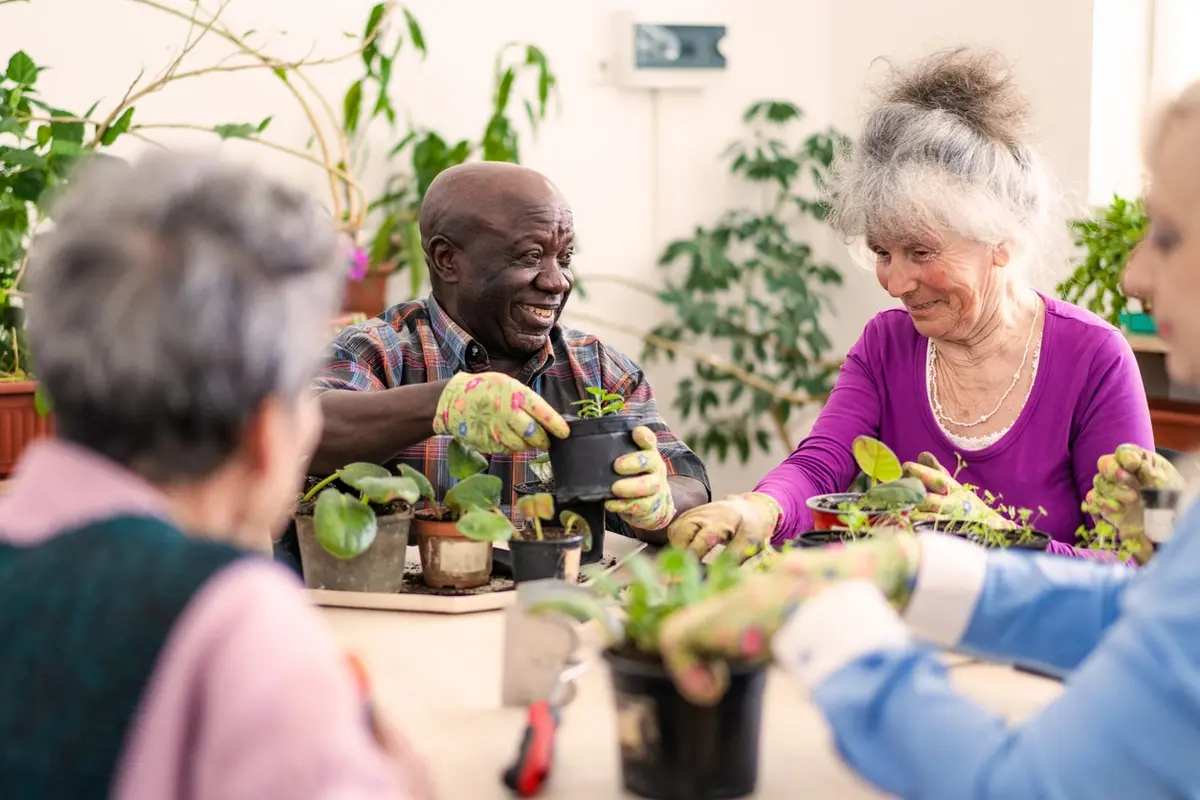
Assisted living activities offer seniors joyful opportunities to stay active, mentally sharp, and emotionally connected through programs, hobbies, and social events. The National Institute on Aging has found that seniors who take part in regular activities often enjoy brighter moods and deeper connections.
When choosing a community, remember that your loved one’s day-to-day happiness depends on more than just care levels. Finding a place with a thoughtful and engaging activity program can truly brighten their life.
Key Takeaways
- Assisted living activities fall into four main categories: physical, cognitive, creative, and social.
- Social isolation is associated with a 27% higher risk of dementia over nine years, per a Johns Hopkins study in the Journal of the American Geriatric Society.
- Exercise programs can reduce fall rates by up to 23% in older adults, per a Cochrane Review of 108 trials.
- The best communities personalise activity plans to each resident’s interests and abilities.
- Fields Senior Living of Magnolia Court offers daily programming designed to keep your loved one engaged and fulfilled.
Why Assisted Living Activities Matter for Your Loved One
Staying active is essential for healthy aging, not just an extra perk in senior living. A 2023 study in The Lancet Healthy Longevity found that adults 65 and older who stayed active had lower mortality rates than those who did not.
Here is what consistent activity participation does for seniors:
- Physical health: Exercise programs reduce fall rates by 23% and the number of people experiencing falls by 15% (Cochrane Review, 2019).
- Cognitive function: Physical activity is linked to a 20-30% reduction in the risk of cognitive decline and dementia.
- Loneliness and isolation can harm seniors’ health. The U.S. Surgeon General’s 2023 Advisory says these are risk factors for heart disease, dementia, and depression.
- Sense of purpose: Having a goal-driven purpose in life is associated with a 30% reduction in dementia risk, independent of other well-being factors.
If you’re exploring communities, feel free to ask about their life enrichment programs and how they make each resident feel special through personalized activities.
The Four Main Types of Activities for Seniors
Most senior living communities structure their programming around four core categories. Each one targets a different dimension of well-being.
| Activity Type | Goal | Examples | Frequency |
| Physical | Strength, balance, mobility | Chair yoga, walking clubs, swimming | Daily |
| Cognitive | Memory, focus, learning | Trivia, puzzles, book clubs | 3-5x per week |
| Creative | Expression, mood, identity | Painting, gardening, music | 2-3x per week |
| Social | Connection, belonging | Group dining, celebrations, outings | Daily |
50 Assisted Living Activities Across Every Category
Here is a practical breakdown your family can use to evaluate a community’s programming or help a loved one find activities they genuinely enjoy.
Physical Activities (Move and Strengthen)
- Chair yoga for gentle flexibility
- Morning walking clubs on community paths
- Water aerobics (low-impact, high benefit)
- Tai chi for balance and calm focus
- Light strength training with resistance bands
- Seated stretching routines
- Pickleball or bocce ball on community courts
- Dance fitness classes like low-impact Zumba
- Balloon volleyball for seated residents
- Gardening as active outdoor movement

Physical activity is a wonderful way to bring energy and fun to a community. When visiting, ask how their programs help residents stay moving and engaged. Dr. David Brown, Founder and CEO of The DISC Chiropractors, says: “Staying physically active becomes increasingly important with age, especially for seniors managing challenges such as knee pain, shoulder pain or slipped disc. Gentle movement and mobility-focused activities can help older adults stay engaged while supporting overall comfort and function.”
Cognitive and Mental Stimulation Activities
- Daily trivia or Jeopardy-style games
- Book clubs with weekly discussions
- Crossword puzzles and word searches
- Card games: bridge, rummy, or poker
- Chess and strategy board games
- Current events discussions and news groups
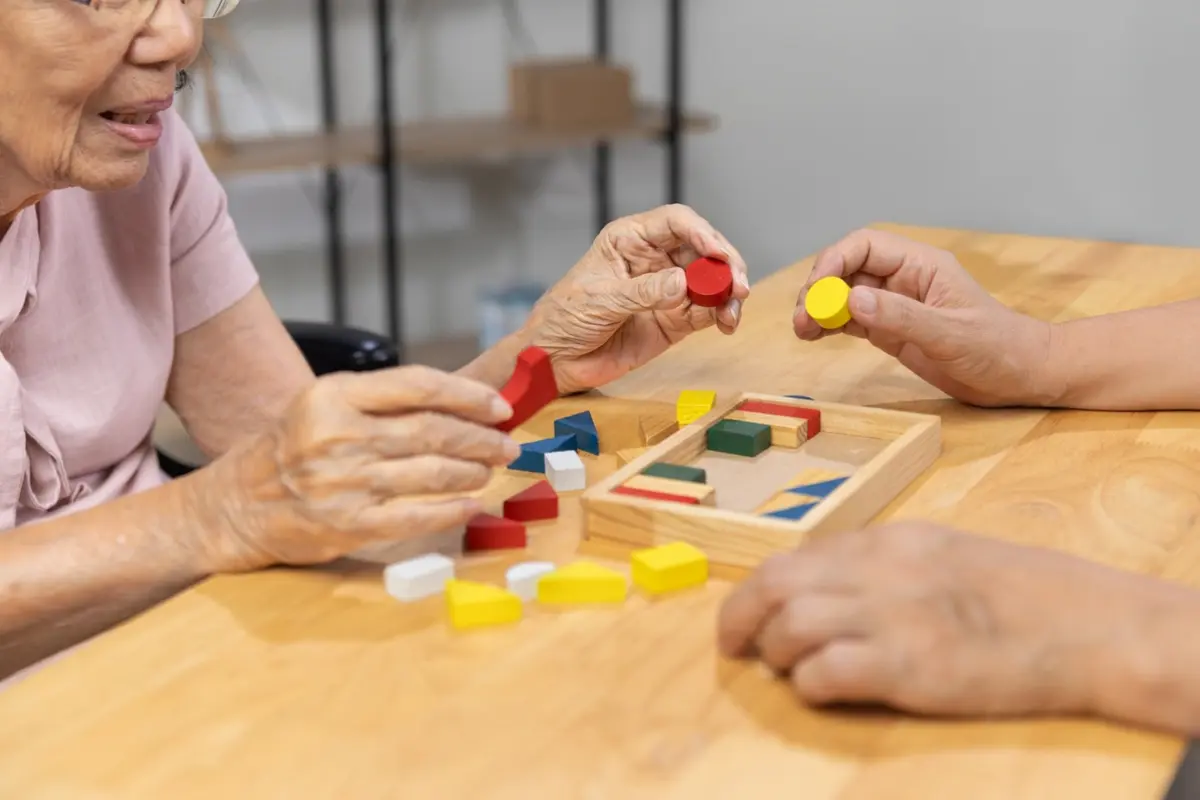
- Memory games and recall exercises
- Language learning classes
- Creative writing or journaling workshops
- Technology classes: using tablets and video calls
Creative and Expressive Activities
- Watercolour and acrylic painting classes
- Photography walks around the community
- Knitting, crocheting, or quilting circles
- Pottery or clay sculpting
- Flower arranging workshops
- Cooking and baking demonstrations
- Music therapy sessions with live instruments
- Choir or sing-along groups
- Scrapbooking and memory-making projects
- Holiday crafts and seasonal decor projects

Art therapy in memory care has been shown to reduce agitation and improve mood in seniors with dementia, making creative activities especially valuable for residents living with memory loss.
Social and Community Activities
- Community happy hours and themed dinners
- Movie nights with popcorn
- Intergenerational programs with local schools
- Birthday and holiday celebrations
- Pen pal programs or virtual connections
- Family involvement days and open events
- Community outings: farmers markets and museums
- Resident council meetings
- Pet therapy visits
- Spiritual services and faith-based gatherings
Social isolation among older adults accounts for an estimated $6.7 billion in excess Medicare spending annually. Learn more about how communities support senior social engagement and what makes the difference.
Outdoor and Nature-Based Activities
- Bird watching from garden areas
- Raised bed vegetable or herb gardening
- Scenic drives and nature excursions
- Outdoor concerts or farmers market visits
- Butterfly or wildlife garden tending
- Stargazing evenings
- Outdoor painting or sketching sessions
- Patio reading groups
- Seasonal festivals: pumpkin carving and holiday lights
- Nature journaling and pressed flower crafts
Related Article: Safe and Effective Physical Activities for Seniors in Assisted Living
How the Best Communities Personalise Assisted Living Activities
A quality activity calendar is not one-size-fits-all. Here is what good personalisation looks like in practice:
- Interest assessments at move-in: Staff ask about past hobbies, careers, and passions before building a resident’s activity plan.
- Ability-based modifications: A former runner who now uses a walker should still be able to participate in movement. Good communities adapt, not exclude.
- Resident input on programming: Monthly resident council meetings let your loved one shape what the calendar looks like.
- Family participation options: The best communities invite families to join specific events, keeping those bonds strong.
During your visit to a community, don’t hesitate to ask for a sample activity calendar from the past month. Seeing what’s on offer can help you picture your loved one thriving there. You can also find helpful tips on what to look for during a visit on our top questions to ask page.
Things to Know Before You Choose a Community
- Ideally, activities should fill the week with joy, not just weekdays. If a calendar is quiet on weekends, it’s worth asking more.
- Look for a dedicated Activities Director on staff. This role matters more than most families realise.
- Ask about activity participation rates. A good community tracks how many residents engage each week.
- One-on-one programming matters for residents who are less mobile or socially hesitant.
- Activities should feel like an invitation, not a requirement. Residents are gently encouraged to join, but the aim is always for them to find joy at their own pace.
When Every Day Has Something Worth Looking Forward To
The range of activities in a community can truly shape its spirit. When your loved one wakes up looking forward to the day, it brings a sense of comfort and happiness to the whole family.
At Fields Senior Living of Magnolia Court, assisted living activities are built around each resident’s interests, abilities, and personality. From morning fitness classes to evening music events and creative art sessions, the goal is simple: a day that feels full and meaningful.
If you’re ready to see all this come to life, come visit Fields Senior Living of Magnolia Court. Your loved one deserves more than just care—they deserve days filled with laughter, purpose, and connection.
Frequently Asked Questions
What are the 5 basic activities of daily living?
The five basic ADLs are bathing, dressing, eating, toileting, and transferring (moving from bed to chair). Assisted living communities support residents who need help with some or all of these. ADL support is separate from activity programming, though both contribute to overall wellbeing.
What are the four main types of activities for seniors?
The four main types are physical, cognitive, creative, and social activities. Each addresses a different aspect of health. The best assisted living communities offer all four categories in their weekly programming.
How often should seniors participate in assisted living activities?
Daily participation in at least one activity is recommended, with a mix of physical, mental, and social options throughout the week. Even 30 minutes of group engagement per day has measurable benefits for mood and cognitive health in older adults.
What activities are best for seniors with dementia?
Sensory-based, repetitive, and familiar activities work best, including music therapy, simple crafts, and reminiscence activities. Fields Senior Living of Magnolia Court offers specialised programming for memory care residents. Learn more about activities for residents with dementia.
Can family members join assisted living activities?
Yes. Most quality communities actively encourage family participation in select events, celebrations, and group outings. Family involvement strengthens your loved one’s sense of belonging and keeps your family connected. Ask about family day events when you tour a community.