
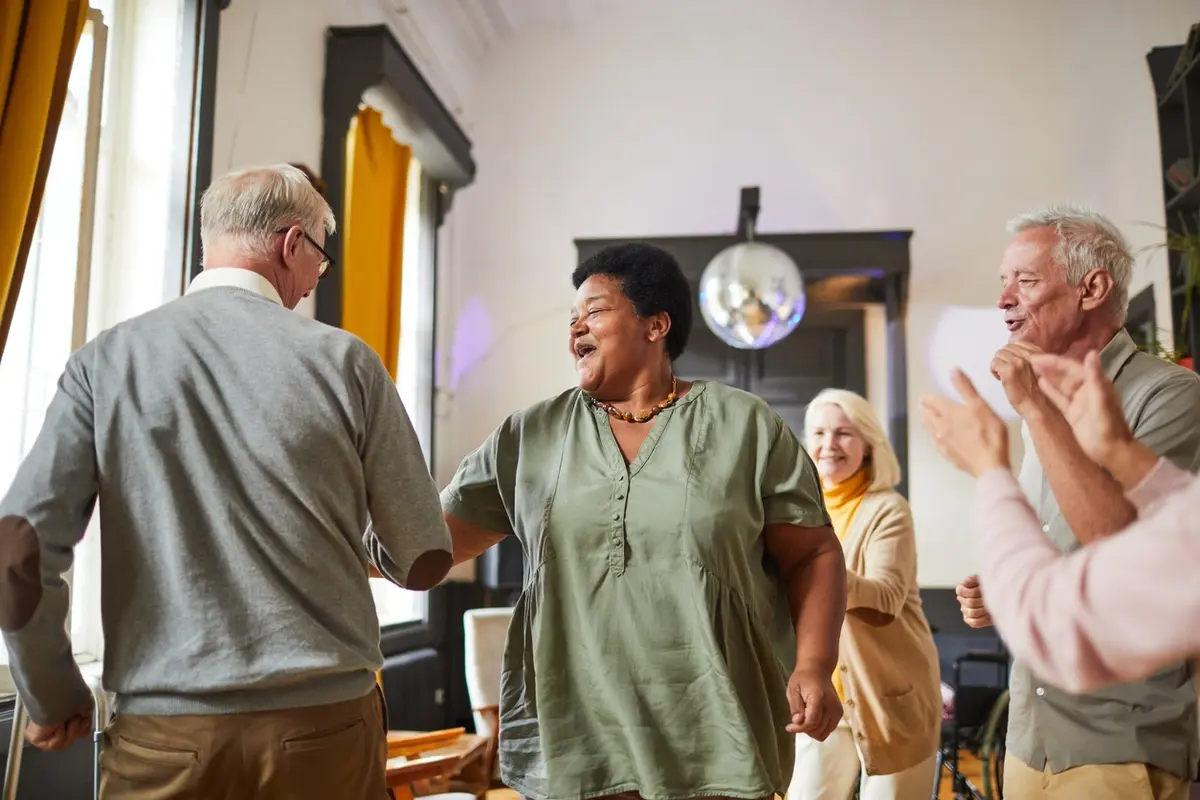
Senior living communities in Spokane Valley are about more than care. They are about helping people keep who they are. Purpose and identity do not end with a move. At Fields Senior Living at Spokane Valley, we protect them every day with choice, routine, and meaningful roles. The result is a life that still feels like life. Senior living communities in Spokane Valley support purpose with daily choice, familiar routines, and roles that fit the person.
This guide explains how purpose is supported in practical ways. You will see examples to look for during a tour and ideas you can use at home right now.
Why Purpose Matters in Senior Living Communities Spokane Valley
Having a reason to get up, someone to see, and something to do helps people feel steady. It supports mood and confidence. It also supports health. The Centers for Disease Control and Prevention notes that isolation raises risks for depression, heart disease, and cognitive decline. Staying engaged helps protect health.
The Mayo Clinic explains that social support reduces stress, builds resilience, and improves well-being. It can also encourage healthy habits.
AARP shares practical ways older adults can stay socially active, which supports purpose and a sense of self:
We turn these insights into daily practice at Fields Senior Living at Spokane Valley. Small choices and small moments add up. They protect identity and give each day shape.
Daily Choice Protects Identity
Choice is the foundation. Residents choose wake times, clothing, and how to start the day. Some prefer a quiet coffee before breakfast. Others like a short walk first. We follow long-standing routines whenever possible.
Care plans are personal. We ask about favorite foods, hobbies, faith practices, and the best time of day to offer help. We honor cultural needs and personal preferences. Even the pace of the morning matters. When the day starts the right way, the whole day feels better.
Meals are not one size fits all. Portions, timing, and seating can shift to fit the person. The goal is comfort and good nutrition without pressure.
Meaningful Roles Create Belonging
People feel most at home when they are needed. Residents can help welcome newcomers, water planters, set up a game, lead a small group, or host a reading. Some help with a library cart. Some share a skill like quilting, woodworking, or music. These roles are simple by design. They build ownership and pride.
You will see this in our halls: a resident greeting a neighbor by name, someone showing a new friend where the coffee is, and a small team placing table cards before lunch. These moments look small, but they are not. They say, “You matter here.”
Activities That Reflect the Person
Our life enrichment team begins with the person’s story: what they did for work, what they miss, what calms them, and what makes them smile.
Then, we build activities from that base: music hours with favorite songs, gentle art with familiar materials, brain games that feel fun, not stressful, book chats, faith gatherings, veterans circles, and photo sharing. Movement is built in with chair fitness, balance practice, and short walks.
We mix group time and quiet options. Some residents love a lively game, while others prefer a craft table with two friends. Both paths support a purpose.
Local Connections in Spokane Valley
Residents enjoy short outings to Mirabeau Point Park, views along the Centennial Trail, and favorite cafes near Spokane Valley Mall. We welcome therapy animals when schedules allow. These moments keep residents connected to the place they call home.
Connection With Family and Community
Family ties help people feel grounded. We make visits easy. Share a meal. Join an activity. Bring photos, music, or a favorite snack. We host family nights and special events where everyone can relax together.
We also welcome community partners. Local volunteers visit, therapy animals stop by, and intergenerational moments bring smiles and stories. These connections help residents feel part of something larger than the building.
Spiritual Care and Quiet Spaces
For many people, identity includes faith or reflection. We honor that. Residents can meet with visiting clergy when available, watch services, read aloud together, or sit in a calm space for quiet time. Rituals and traditions are supported at the level the person chooses.
Purpose in Memory Care
Identity remains even if memory changes. Our memory care approach uses familiar routines, sensory comfort, and success-based tasks. Folding linens, sorting buttons by color, watering a plant, or tapping on music can bring calm and pride.
The environment supports safety and independence. Spaces are easy to follow, lighting is even, and doors are monitored. A secure outdoor area gives fresh air and sun. Caregivers use precise language, calm tone, and patient pacing. They know each resident’s story, which allows better redirection and less frustration.
The goal is simple: reduce stress, support focus, protect dignity, and help each person do what they still can with joy.
Health, Safety, and Dignity Together
Safety matters, but it should not erase identity. We use steady routines, clear hallways, and even lighting to help with safe walking. Medications are given and documented by trained staff. We watch for side effects and share updates with families. We encourage hydration and regular meals. These steps lower risk while keeping life warm and human.
We also focus on consistent caregivers. Familiar faces build trust. Trust makes care easier and kinder.
What To Look For on a Tour
- Do staff greet residents by name and pause to listen
- Do you see resident-led roles or small ways people help
- Can you sit in on an activity to see how it feels
- Are there calm spaces as well as lively ones
- Do the calendar and menus reflect real variety, not just a list
Ask to meet the life enrichment lead and a care team member. Ask how they learn each person’s story. Ask how they measure engagement. You should hear simple, straightforward answers.
A Day in the Life at Fields Senior Living at Spokane Valley
Morning begins at the resident’s pace. Some start with coffee and a newspaper, while others enjoy a stretch class. Breakfast is unhurried. Afterward, the day may include music, a craft, or a small group chat.
Late morning can be a short walk or a visit with a friend. Lunch offers comfort foods and conversation. Afternoon brings a film, a game, or chair fitness. Quiet time follows. Evenings are peaceful. Lights are even. Noise is low. Staff help residents get ready for rest.
A Simple Weekly Rhythm
- Monday music hour and chair stretch.
- Tuesday garden time and coffee chat.
- Wednesday craft circle and a short scenic drive.
- Thursday balance practice and classic film.
- Friday baking social and game time.
- Weekend family visits, faith viewing, and quiet walks.
This rhythm gives shape without pressure. It protects energy and invites purpose.
How We Build and Adjust Care Plans
Care plans are living documents. We create them with the resident and family at move-in and update them as needs change. We set small goals that matter: Walk to the patio each afternoon, visit the music hour twice a week, call a daughter on Sundays. These targets are personal, doable, and meaningful.
How We Track Purpose
We note engagement, smiles, conversation, and time on task. We log which activities spark interest and which times of day feel best. These notes shape the next week’s plan, making success easier to reach.
We review plans often with the family. We invite feedback and make changes quickly. You always know who to call and what to expect.
Tips Families Can Use Right Now
- Build a simple daily rhythm. Morning routine, one social touch, one movement moment
- Create a comfort kit. Photos, favorite songs, a soft blanket, and a snack they love
- Offer small roles. Water a plant, fold towels, set napkins, feed the pet
- Keep visits short and positive if energy is low
- Celebrate small wins. A smile, a story, a walk to the window counts
These steps support purpose at home and make any future move easier.
If You Are Comparing Senior Living Communities in Spokane Valley
If you compare senior living communities in Spokane Valley, visit our community to see purpose and identity in action.
See What Purpose Looks Like in Practice. The best way to understand purpose and identity in action is to visit. Tour Fields Senior Living at Spokane Valley, share a meal, sit in on a music hour, meet the team, and ask every question on your mind. You will see how choice, routine, and connection help people feel known and valued at home.
FAQs
How do senior living communities support purpose?
They offer daily choice, meaningful roles, and activities built from personal interests and history. Staff protect routines and encourage connection.
Can residents keep their routines?
Yes. Care plans follow preferred wake times, meal choices, hobbies, and faith practices. The goal is to keep life familiar.
How is identity supported in memory care?
With simple, success based tasks, sensory comfort, and steady routines. Spaces are easy to follow and outdoor time is secured and supervised.
Are there chances to lead or volunteer?
Yes. Residents help welcome new neighbors, tend plants, run small clubs, or read at gatherings, based on interest and ability.
Can families join activities?
Absolutely. Families are invited to visit, share meals, attend events, and offer input that shapes routines and activities.