
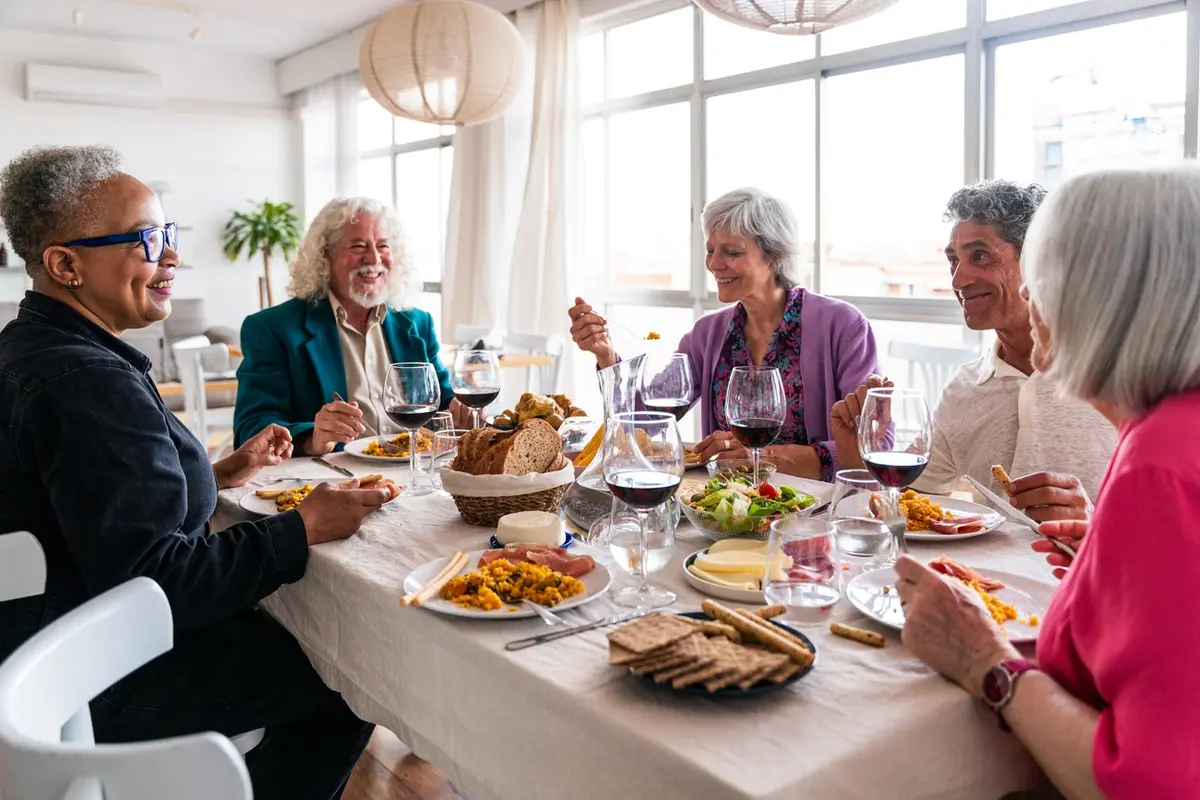
More Than a Meal: What Senior Living Dining Really Looks Like
Senior living dining today means chef-prepared meals, flexible options, and social mealtimes that genuinely support your loved one’s health and happiness. At Fields Senior Living at Spokane Valley, residents enjoy a warm, welcoming dining space, and an exciting new chef is joining the team to raise the experience even further.
KEY TAKEAWAYS
- Good dining in senior living supports physical health, social connection, and daily quality of life.
- Quality communities offer restaurant-style menus, dietary accommodations, and flexible meal options.
- Fields Senior Living at Spokane Valley offers care-matched dining across independent living, assisted living, and memory care.
- A new chef is joining the team at Fields Senior Living at Spokane Valley, bringing seasonal menus and fresh creativity.
- Nutrition directly affects energy, cognition, and mood in older adults.
Why Dining Is One of the Most Important Things to Evaluate
For your loved one, mealtime is not just about food. It is about comfort, routine, and connection. Many families overlook dining when touring a community, focusing instead on room size or activity calendars. But what and how your parent eats every day shapes their health, mood, and quality of life more than almost anything else.
According to the National Institute on Aging, good nutrition in older adults supports healthy aging, reduces the risk of chronic disease, and helps maintain energy and mental sharpness. Communities that take dining seriously are communities that take care seriously.
Eating together matters just as much as eating well. Research from Oxford University found that people who eat socially more often feel happier and more satisfied with life, are more trusting of others, and have stronger community ties. Shared mealtimes build friendships, reduce loneliness, and give residents something to genuinely look forward to. This is why the socialization benefits for seniors in a community setting are so closely tied to what happens at the table.
What Senior Living Dining Looks Like at a Quality Community
Modern senior living dining is restaurant-quality, flexible, and personal. Here is what you should expect when you tour a community that takes it seriously.
Restaurant-Style Dining Rooms
The main dining room at a well-run community functions like a neighborhood restaurant. Menus rotate seasonally so meals stay fresh and interesting. Residents choose from multiple options at each meal, and staff take orders and bring food to the table. Some communities offer a la carte selections; others include everything in the monthly plan.
Bistros and Casual Cafes
Not every meal needs to be a sit-down occasion. On-site bistros let residents grab a coffee, pick up a snack, or enjoy something light between main meals. This kind of flexibility matters, especially for residents whose appetite patterns change throughout the day.
Private Dining for Family Visits
Look for communities that offer a private dining room your family can reserve. Birthdays, holidays, and quiet Sunday lunches feel more meaningful when there is a proper space for them. Some communities accommodate catered meals or allow families to bring dishes from home.
Dietary Accommodations
Residents managing diabetes, heart disease, high blood pressure, kidney conditions, or food allergies need menus that reflect those needs without sacrificing flavor. At a quality community, dietary accommodation is not an exception. It is built into daily practice.
See how promoting wellness in assisted living connects directly to the quality of what residents eat every day.
Dining Across Care Levels: What Changes and What Stays the Same
| Care Level | Dining Format | Key Nutritional Focus |
| Independent Living | Restaurant-style, bistro, flexible meal times | Balanced nutrition, variety, heart health |
| Assisted Living | Staff-supported meals, dietary adjustments | Calorie density, hydration, special diets |
| Memory Care | Structured mealtimes, finger foods, sensory cues | Ease of eating, routine, nutrient density |
Residents in independent living in Spokane Valley generally have more flexibility in when and how they eat. Those in assisted living and memory care receive more guided support to make sure meals are both safe and satisfying.
What Fields Senior Living at Spokane Valley Is Doing Differently
Fields Senior Living at Spokane Valley has always approached dining with intention. The dining space is warm and welcoming, designed to feel like a real gathering rather than a cafeteria. Tables are set thoughtfully, meals are served with care, and residents are treated as guests at every sitting.
And the experience is about to get even better. A new chef is joining the Fields Senior Living at Spokane Valley team, bringing seasonal creativity and a genuine passion for food that residents will feel in every meal. A skilled chef does not just improve the food. They change how mealtimes feel. Residents look forward to their next meal. Conversations happen more naturally. The entire rhythm of the day shifts for the better.
For families asking which communities truly care about what their loved ones eat, the answer shows up in details like this one. See how Fields Senior Living enhances quality of life at Spokane Valley beyond the dining room.
Things to Know Before Choosing a Community for Its Dining
- Eat a meal during your tour. It is the fastest, most direct way to evaluate food quality.
- Ask how often the menu changes. Repetitive meals reduce appetite and resident satisfaction.
- Find out how dietary needs are handled day to day, not just at move-in.
- Clarify what is included in the monthly cost and what is billed separately.
- Look for social seating arrangements that encourage residents to connect at mealtimes.
- Ask whether family members can join for meals and at what cost.
- Find out if residents have any input into menu planning or special requests.
A Table Worth Looking Forward To
Senior living dining shapes daily life in ways that go far beyond nutrition. It creates routine, builds friendships, and gives residents something to genuinely enjoy every single day. At Fields Senior Living at Spokane Valley, that matters deeply. And with a new chef joining the team soon, the dining experience is only going to improve.
If you are ready to see it for yourself, contact Fields Senior Living at Spokane Valley to schedule a tour. Plan to stay for a meal. It is the best way to know if this is the right home for your family.
Frequently Asked Questions
What is a good meal for an elderly person?
A good meal for an elderly person is high in protein, low in sodium, and easy to chew. Think grilled fish, steamed vegetables, and a small portion of whole grains. Meals should be nutrient-dense and filling without being heavy.
What are 5 foods that seniors should eat?
Leafy greens, fatty fish, berries, whole grains, and legumes are the top five. Each one supports heart health, brain function, and bone strength. The USDA’s MyPlate guidance for older adults provides practical serving recommendations by food group.
What is a senior happy meal?
A senior happy meal refers informally to a balanced, easy-to-eat meal designed for older adults, often smaller in portion. Some communities use this term informally for smaller-portion menu options that include a protein, a soft vegetable side, and a simple dessert.
What is the number one fruit that seniors should eat every day?
Blueberries are widely regarded as the best daily fruit for seniors. They are high in antioxidants, support brain health, and are soft enough to eat without difficulty. A half-cup serving per day makes a meaningful difference over time.
What three foods should seniors avoid?
Highly processed foods, excess sodium, and added sugars are the three to limit most. These three contribute to high blood pressure, inflammation, and blood sugar instability, all of which become harder to manage with age.